
“I will praise thee; for I am fearfully and wonderfully made: Marvelous are they works; And that my soul knoweth right well. Psalms 139:14 KJV
In the New English Translation it says, “You knew me thoroughly”
“my bones were not hidden from you, when I was made in secret and sewed together in the depths of the earth. Your eyes saw me when I was inside the womb. All the days ordained for me were recorded in your scroll before one of them came into existence.” Psalms 139:15-16 NET
We can learn so much from Nature. When working with herbs and other natural products, you will never get the exact color or amount each time because so many things affect nature like the rain or lack of and the temperatures and of course the pest and animals. In contrast, something created in a lab things can be measured and made to have the exact same look each and every time.

Are all the green leaves the same shade of green, is every flower the same color or height? Does a garden yield the exact same amount every year despite the conditions they are sown in? If Nature varies so greatly, why wouldn’t we? We obviously look different from each other, but what about the inside? Are the rings inside each tree shaped exactly the same? Each ring is a reflection of what that tree went through during that year. Whether or not there was a drought, heavy rains, strong winds, trauma etc.
Henry G. Bieler, M.D. wrote in his book, Food is your Best Medicine, said, “A good example of the complexity of the human body is the number of amino acids, or building blocks, it contains, all of which are obtained from protein in the diet. In a dictionary are many thousands of words, all built up from the twenty-six letters of the alphabet. Similarly, protein is made from millions of different combinations of amino acids, of which there are more than two dozen. A keen-nosed dog can identity his master among hundreds of individuals and the mother seal can find her pup amid thousands of similar-looking baby seals. So, no one man’s protein can really resemble in odor or taste the protein in another individual’s tissues.”
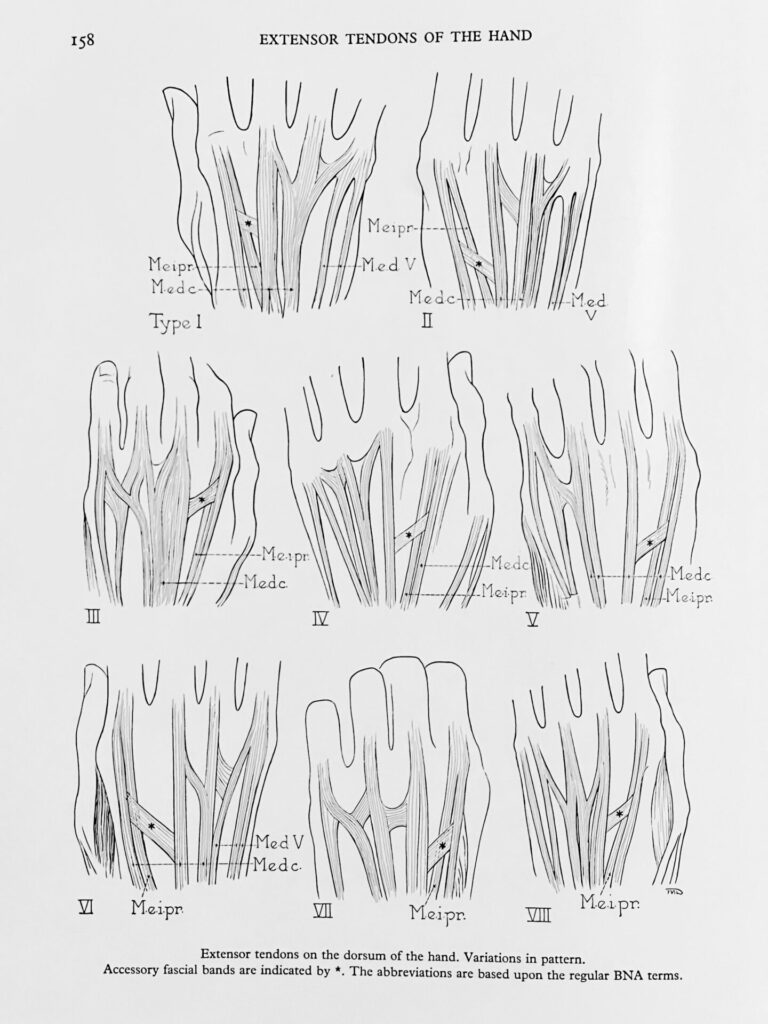
Our internal and external differ from each other. Some to great degrees. An anatomy book written in 1950, Atlas of Human Anatomy by Barry J. Anson, shows examples of how the heart can have such varying shapes, sizes, and the number of veins coming from it that it even looks like they belong to a different species rather than all of them from human beings. The amount of nerves in our hands can result in either being built for surgery or a mechanic to being clumsy and not so great with our hands. The number and placement of our facial nerves limits or animates our expressions. We tend to judge each other, even through medical tests, as if we are all made the exact same way. As if our lungs can all hold the same capacity or our liver the exact same size as if we will all be able to absorb and process everything we consume the exact same way. Our stomachs can vary greatly in size making it harder for some to consume even an average meal and others seem as if they have a bottomless pit.
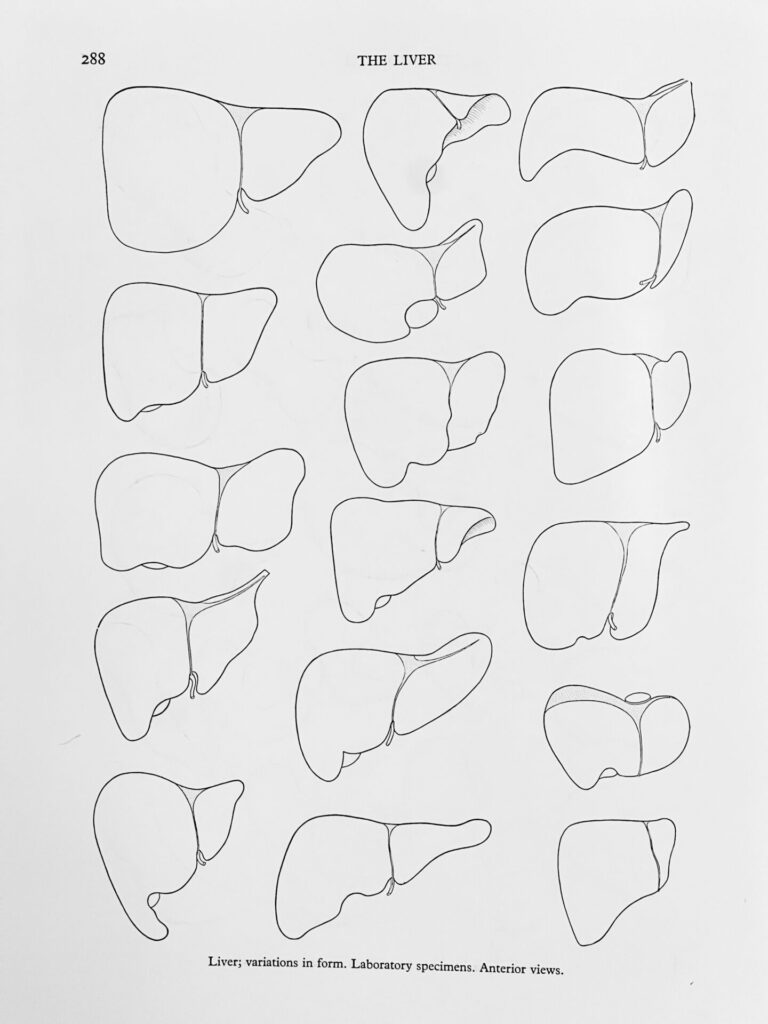
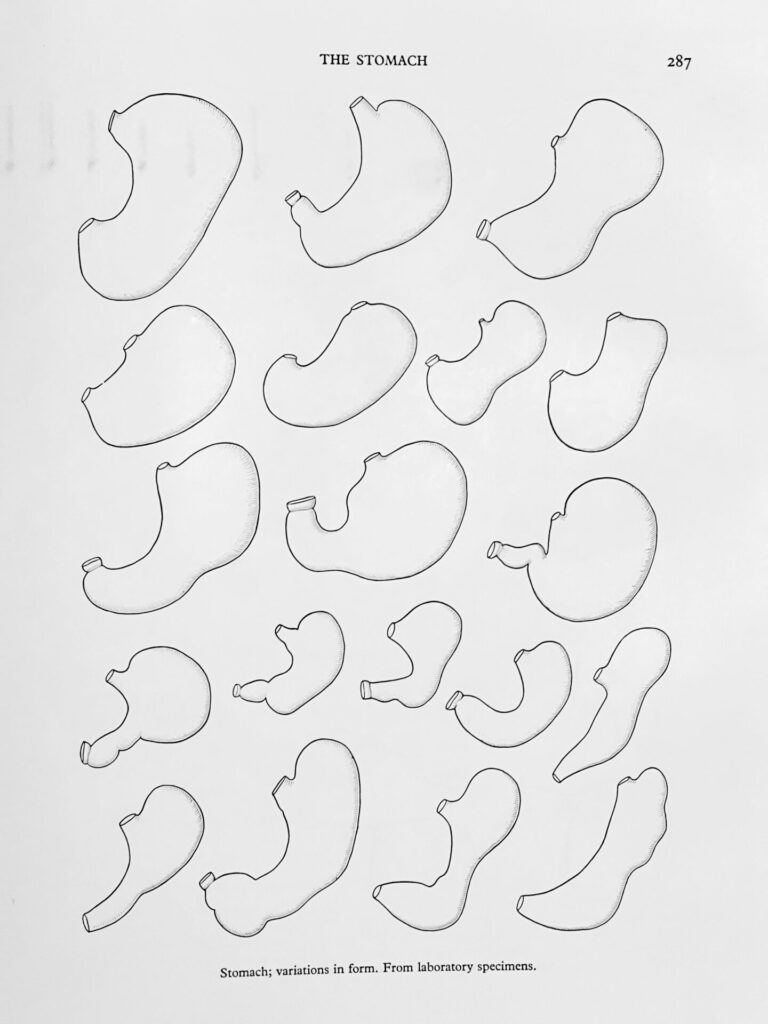
In the book Biochemical Individuality by Roger J. Williams, Ph.D., says, “It’s no wonder from this standpoint that our eating “habits”are not all alike.” Williams was referencing the shapes and percentage of differences in stomach sizes found in Anson’s book, Atlas of Human Anatomy. In Iridology, the position of the collarette can give us some insight on whether or not we have a small or large capacity of the stomach.
Williams references the differences of muscles, tendons, and nerves of hands found in Anson’s book, stating, “The implications of these striking anatomical and other differences in hands are obvious, as they relate to handwriting (signatures), manual dexterity, finger dexterity, tweezer dexterity, ability to type, ability to play the violin or piano, ability to do the intricate work of the surgeon, or to make the manipulations of a masseur, a card trickster, or a magician.”
Williams went on to say, people most likely excelled in these areas because they were anatomically and neurologically born this way in addition to training and practice.
Mark Twain, at his 70th birthday party, said, “You can’t reach old age by another man’s road. My habits protect my life but they would assassinate you.” Also, “I have achieved my seventy years in the usual way: by sticking strictly to a scheme of life which would kill anybody else.”

What is true for me most likely won’t be true for you and vice versa. To me, this is quite exciting news! I believe this means we were truly, uniquely made for something specific. God truly has a plan just for you. To the one whom He gave great lung capacity, can greatly excel in swimming, running or maybe needed in a time to save someone’s life. To the one whom He gave great dexterity in the hands may have the best surgical hands or talented mechanic or craftsman. To the one who doesn’t have as many nerves may be able to withstand more pain in situations where physical force is needed. How did God make you? Learn to look at how we were made in a different view. We aren’t limited, we are made for something specific.
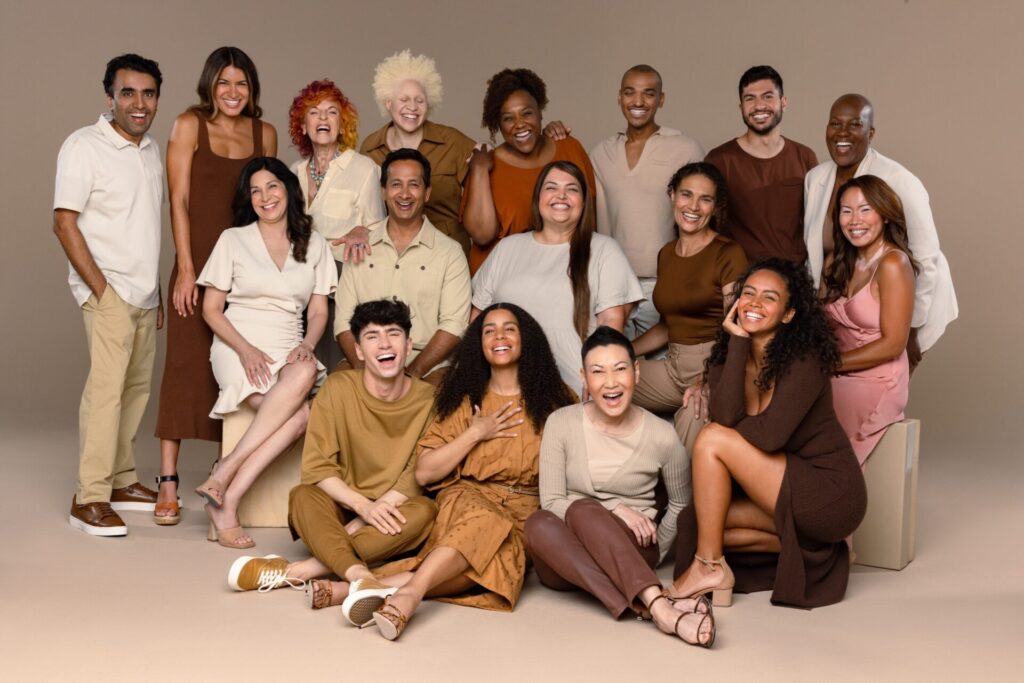
In our uniqueness and differences, it would only make sense that we will heal differently and at different rates. Many variables come into play not just anatomically, but also emotionally and environmentally as well as other lifestyle factors. In Iridology, we can see by someone’s constitution if they are more likely to heal and recover quicker than most. Our diet, as well, will differ as greatly as our anatomy.
We should consider our differences and apply the right type and quality of foods with the appropriate amounts and when we need to restore and recover, to give a generous amount of time with the understanding of how our bodies were made so they will be able to properly heal.
References:
Bieler, Henry (1965) Food Is Your Best Medicine. New York: The Random House Publishing Group.
Anson, B. (1950) Atlas of Human Anatomy. Philadelphia: W.B. Saunders Company
Williams, R. (1956) Biochemical Individuality. New Canaan, Connecticut: Keats Publishing, Inc.
The New York Times (1905) Celebrate Mark Twain’s Seventieth Birthday. Twainquotes.com
http://www.twainquotes.com/19051206.html