The right food for your body
Whole food would be the right food for your body. We are least likely to fall completely into one specific diet. We may fit somewhat or some may fit mostly but there will always be exceptions because there are no two people alike. No two stomachs will have the same enzyme activity with the same metabolism rate and will eat the exact same way and feel and respond exactly the same as another.
It’s a joy and challenge of finding what works best with your stomach. You will have to go through some trial and error. But if I may help in that quest, I would ask a few questions as you find what food is best for you.
What is considered actual real food?
An AI consensus states: Food is any edible substance, typically from plant, animal or fungal origins, that an organism consumes to provide nutritional support, energy, and essential nutrients like carbohydrates, fats, and proteins for growth, repair, and to sustain vital bodily functions.
AI pulled this from three sources: Food- Wikipedia, Food|Definition & Nutrition| Britannica, and Food – National Geographic Education.
dictionary.com says Food is any nourishing substance that is eaten, drunk, or otherwise taken into the body to sustain life, provide energy, promote growth, etc.
Food is a nourishing substance. What is nourishing?
According to dictionary.cambridge.org, nourishing means a drink or food that makes you healthy and strong.
collinsdictionary.com says to nourish a person, animal, or plant means to provide them with the food that is necessary for life, growth and good health.
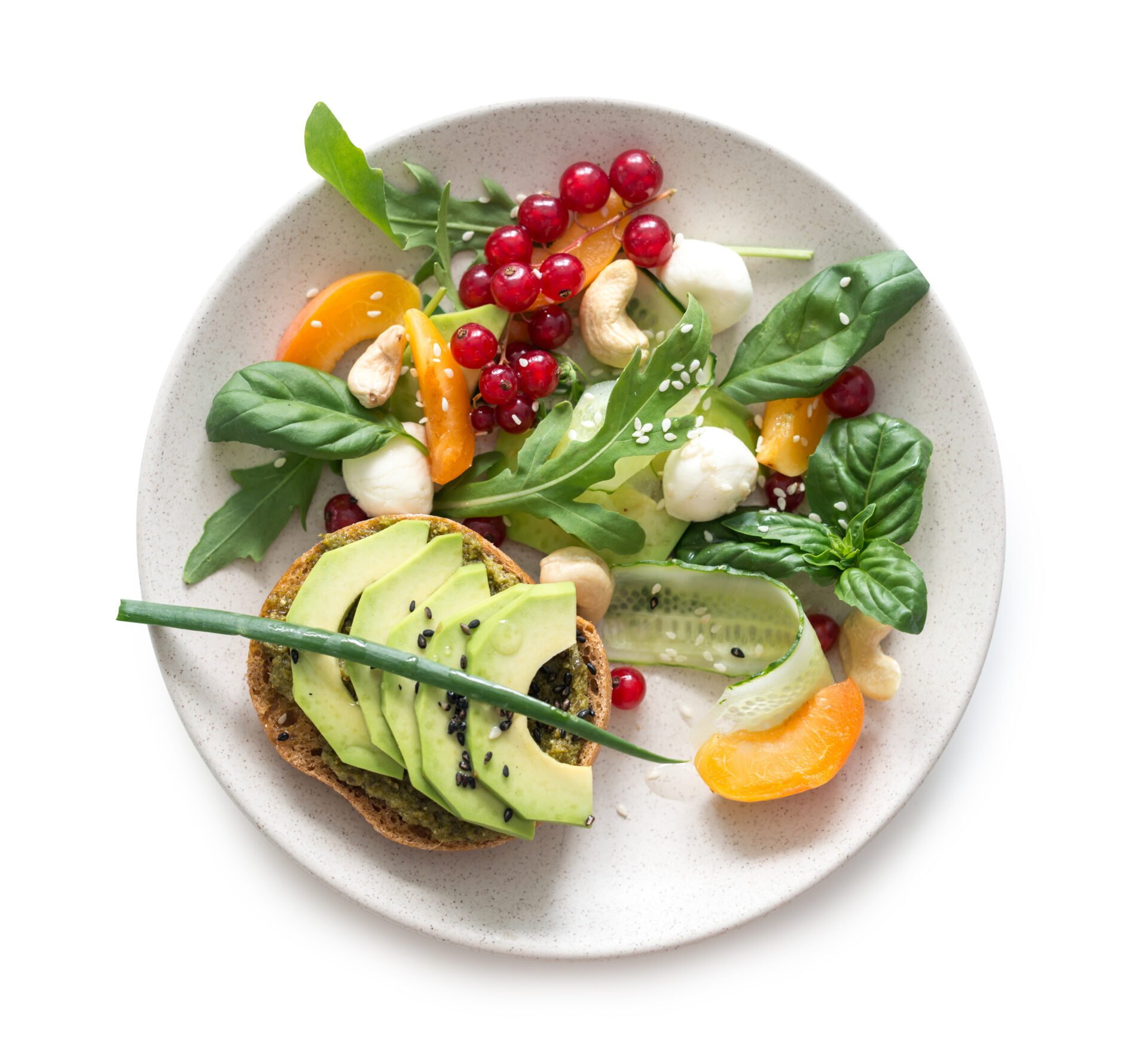
Whole food, according the nyc.gov are food that have not been processed. Whole food include fresh fruits and vegetables, whole grains (such as oats, brown rice and barley), nuts, beans, fish, shellfish, and eggs.
Ok, we had to dig a little deeper than just defining “food” to get an answer that gives a clearer picture.
Why do we need it?

We need nourishing food to grow, repair, and sustain vital bodily functions as well as provide energy for the tasks of the day. So it’s food that makes us “healthy and strong” and gives “good health.” If we are not feeling healthy and strong or in good health, then we need to look at our food first.
“Food of most any kind and quality, if not spoiled, may sustain your life temporarily. But to provide life and energy at the highest level, you need a balance of vital substances even more than your car needs gas, oil, grease, water, and air. And since God made you, who knows better what will improve the way your human machinery runs?” says the Moore’s in their book Home Made Health.
Dr. Caroline Leaf in her book Think and Eat Yourself Smart says, “Real food is grown the way God intended: fresh and nutritious, predominantly local, seasonal, grass-fed, as wild as possible, free of synthetic chemicals, whole or minimally processed, and ecologically diverse. It is grown according to God’s multifaceted genius, transfused throughout interconnected ecosystems, because he created our ecosystems.” (Leaf, 2016, pg 21)
If food is to bring us energy to function properly and to give us fuel to do our daily work, then ask these questions after each meal you eat:
- Do I feel energized?
- Do I feel heavy or fatigued?
- Am I still really hungry?
- Do I need to take a nap in the afternoon or feel I need caffeine to get me through the afternoon crash?
- Am I bloated?
These are just some questions that can help you decide if the meal you ate was the best for you. There are many reasons you may feel tired or hungry. It could be too much meat or not enough. Too much fat or not enough to bring satiety. Refined carbs can leave you feeling hungry or tired or even bloated. Not only your food could be effecting you but also the levels of your stomach acid or enzymes.
Locally fresh foods are great as they will match the climate you live in. Roots in the winter, fruit and salads in the spring and summer help our bodies adjust to the temperatures and the seasonal changes we go through. If we follow the nature around us, we can flow easier through all the changes that are unavoidable in nature.

Iridology also helps us find foods that may be more beneficial to our bodies. Blue eyes do well to eat foods that support their lymphatic system, like berries, white grapes, grapefruit and pomegranates. Brown eyes do well to support their blood and digestion with foods like red grapes, beets, and bitter greens. Mixed eyes do well to support both. Obviously, eating a well balanced, whole food diet will help no matter what eye color you have. But on the other side, blue eyes will be better off avoiding foods that hinder or congest the lymphatic system, like a heavy dairy and refined food intake. Brown eyes will do better avoiding foods that can be sluggish to their circulatory system, like fried foods or heavy animal protein diets. We can learn a lot about the foods we should be eating by understanding how our bodies are made.
Eat Right For Your Type by Dr. Peter J. D’Adamo shows us how certain foods can effect our differences in blood types. A quote from James D’Adamo, (Peter’s father) said, “It became clear to me that since each person was housed in a special body with different strengths, weaknesses, and nutritional requirements, the only way to maintain health or cure illness was to accommodate to that particular patient’s specific needs (D’Adamo 1996, pg XIII). Dr. D’Adamo discovered fascinating correlations with people’s bloods types and specific illness.
How much should we eat?
“If we could give every individual the right amount of nourishment and exercise, not too little and not too much, we would have found the safest way to health.” Hippocrates
George Ohsawa, founder of the macrobiotic diet, said, “Quantity changes quality. (Colbin, 1986). The amount of food we eat can have more of an affect on our bodies than the quality of food.
Elson M. Hass, MD in her book Staying Healthy with Nutrition says, “Eating moderately, not overeating (or undereating), is probably the basic first habit of good nutrition. Many nutritionist feel that overeating, especially on a regular basis, is the worst thing we can do to the body.” (Hass, 2006)
Rorion Gracie, in his book, The Gracie Diet, says “A golden rule is to stop eating when you are 80% full.” He goes on to say, “Eating less at each meal is good for your body and your mind! I can’t overemphasize enough how practicing dietary discipline will enhance your overall health. You simply won’t believe how it will improve your ability to achieve your personal goals.”
And he should know, as he is a Grand Master in Gracie Brazilian jiu jitsu.
According to an article online from the NIH, Dr. Elizabeth G. Nabel, director of NIH’s National Heart, Lung, and Blood Institute says, “One way to keep calories in check is to keep food portions no larger than the size of your fist. (NIH, 2013)
NIH.gov‘s website recommends to base your calorie needs on the following: your age, your current weight and height, your metabolism, whether you’re male or female, and how active you are.
All of these factors point to the fact you are going to be different than others. These will be helpful in setting a foundation to begin finding what foods and how much you will need as well as helping you adjust your habits as your lifestyle changes with activity levels, aging, and all of life’s up’s and downs that may have an affect on our metabolism like stress.
Listen to your body, start with the general recommendations of serving sizes for your needs and lifestyle and eat real whole foods. As you have probably heard, shop the outer isles filled with the fresh fruit and vegetables, grains and grass-fed meats. Also, check out your local markets for fresh, seasonal foods.
References:
National Heart, Lung, and Blood Institute (NIH), 2013, “Larger Portion Sizes Contribute to U.S. Obesity Problem.
Food Portions: Choosing Just Enough for You. Retrieved September 16, 2025: https://www.niddk.nih.gov/health-information/weight-management/just-enough-food-portions
Moore, Raymond and Dorothy,1986. Home Made Health: A family guide to nutrition, exercise, stress control and preventive medicine. Word Books Publishers Waco, Texas